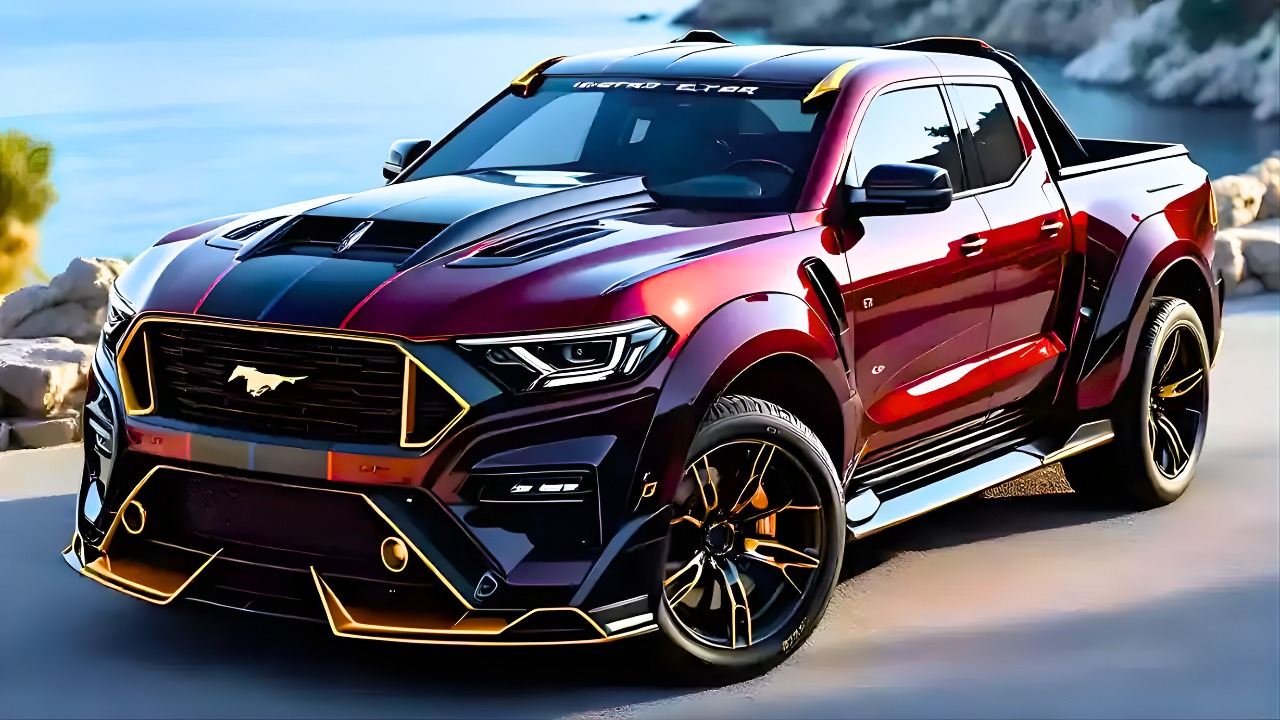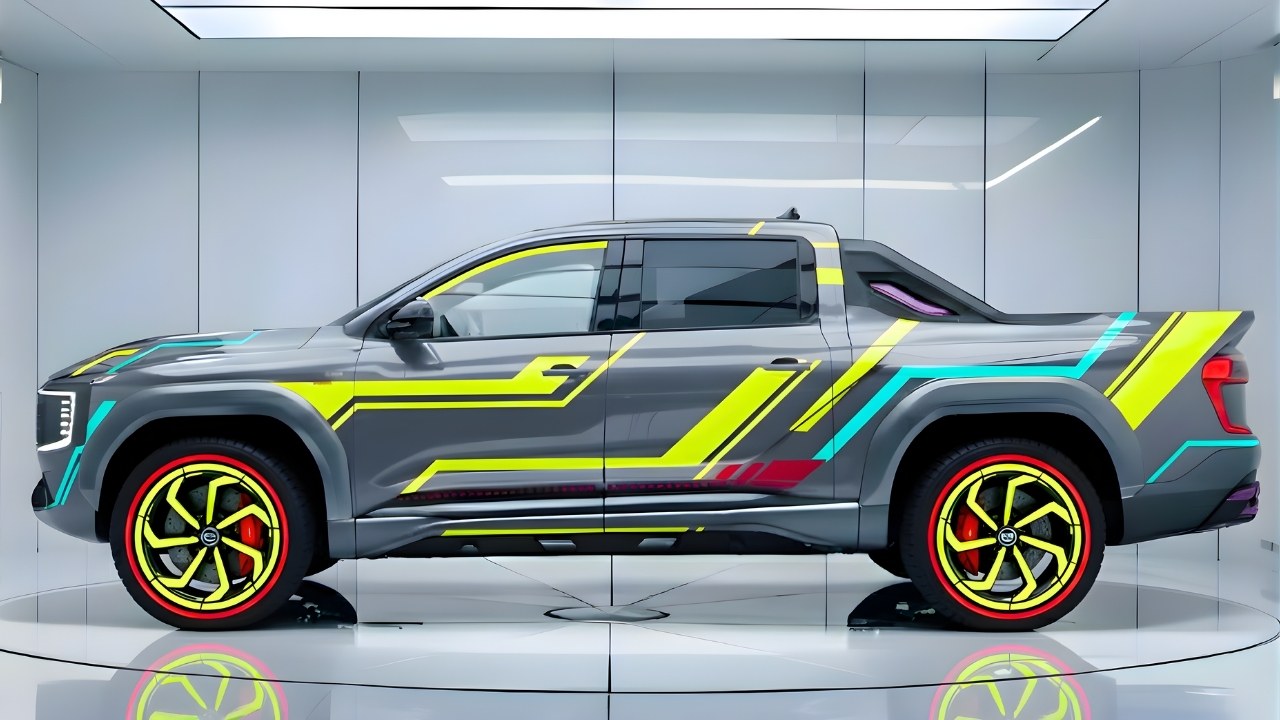
2026 Audi Pickup: This isn’t the kind of pickup you buy because you need one. You buy it because you want space, presence, and status – without settling for a rattly work truck that feels like a compromise.
And that’s exactly why this Audi is both smart – and risky.
I’ll say it upfront: the 2026 Audi Pickup makes sense only for a very specific kind of buyer. If you mistake it for a rugged do-everything truck, it will punish your wallet later.
What it really feels like to live with
On the road, it behaves like a premium SUV first, truck second.
Traffic? Quiet.
Highways? Smooth, planted, confident.
Bad roads? The suspension tries to protect your spine, not flex its “toughness.”
You get a calm cabin that actually matters in daily life:
- minimal road noise
- supportive seats
- intuitive screens (not the laggy gimmick type)
- simple controls instead of buried menus (thankfully)
It feels like something you could drive to work every day without feeling exhausted – and that’s where it beats traditional pickups.
But you’ll constantly be aware that you’re driving something expensive. Parking, valet scratches, careless loading everything becomes a mental calculation.

Yes, let’s talk specs – but from a buyer’s point of view
What Audi is likely offering (and what matters in reality):
- Power: around 320–420 hp (strong, but tuned for smoothness)
- AWD: standard confidence in rain and highways
- Transmission: quick-shifting automatic
- Payload: good for bikes, furniture, appliances – not sandbags and bricks
- Towing: respectable, but not aimed at caravan-hauling enthusiasts
- Mileage: decent for a luxury AWD… still not “cheap to run”
- Safety tech: lane assist, adaptive cruise, auto braking, 360º cameras
Sounds impressive – until something breaks outside warranty.
Sensors, cameras, radar units, adaptive suspension components: they don’t fail often, but when they do, the bill isn’t friendly.
And yes – premium tyres alone can sting.
Where the “luxury truck” idea quietly backfires
Here’s the downside people usually realize late:
you’re scared to actually use the truck bed.

Load bricks?
No.
Carry muddy tools?
You hesitate.
Even with liners and covers, you’ll worry about:
- scratched paint
- bent rails
- moisture in electronics
- rattles later during resale inspection
So instead of working like a truck, it becomes an open-back lifestyle vehicle.
Looks cool, sounds practical – but only if your “utility” means:
- bicycles
- plants
- DIY shopping
- luggage
- occasional small furniture
Not construction. Not repeated heavy hauling.
Resale reality nobody advertises
Luxury pickups sit in a weird zone.

When resale time comes:
- Truck buyers prefer tougher, cheaper-to-fix brands.
- Luxury buyers lean toward SUVs instead.
- Dealers negotiate aggressively because repair costs eat margins.
Result?
Depreciation hits faster than you imagined.
Not catastrophic – but definitely heavier than mainstream pickups.
Who should actually buy it?
Buy it if you:
- want a premium daily driver
- like the idea of open cargo occasionally
- can handle higher service costs
- prioritize comfort and image over brute work
Avoid it if you:

- need a hardworking pickup
- worry about resale value
- drive long fuel-heavy commutes
- hate dealing with service centers and warranty arguments
Because this Audi isn’t pretending to be a workhorse.
It’s built for people who say:
“I want luxury first but I still want the flexibility of a truck.”
If that sentence describes you, this thing will feel perfect.
If it doesn’t, you’re paying for the wrong kind of practicality.