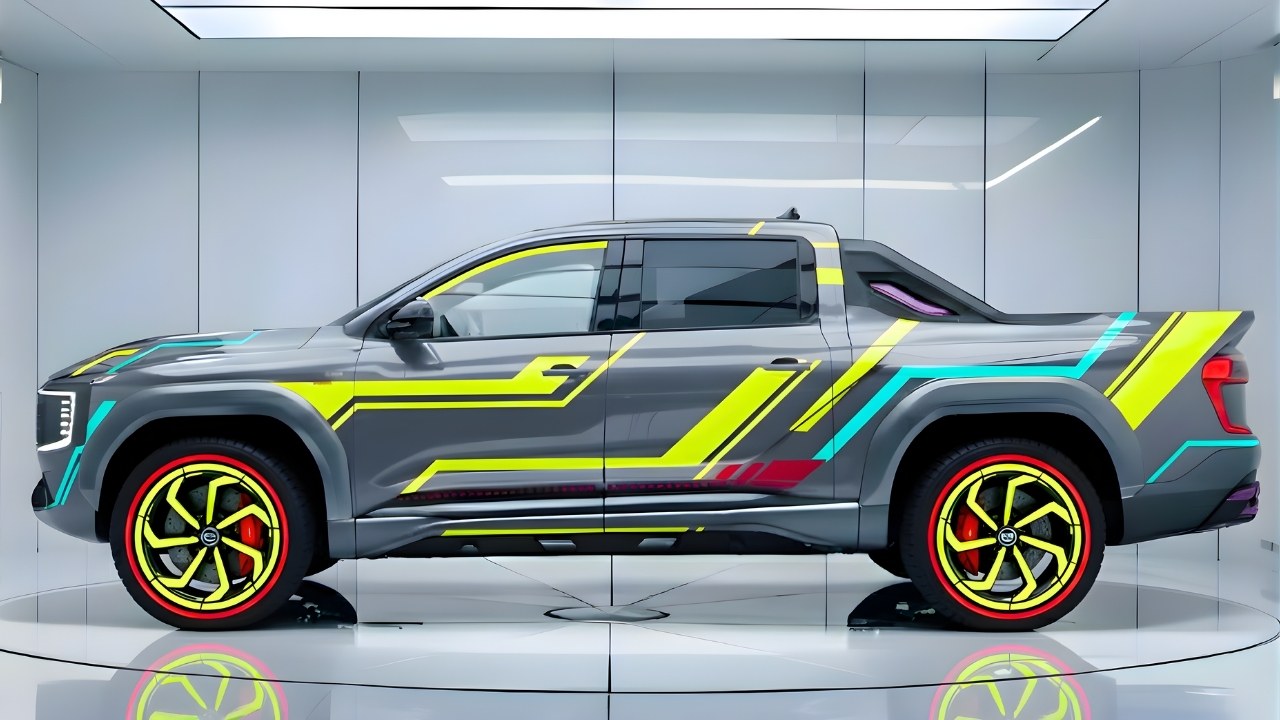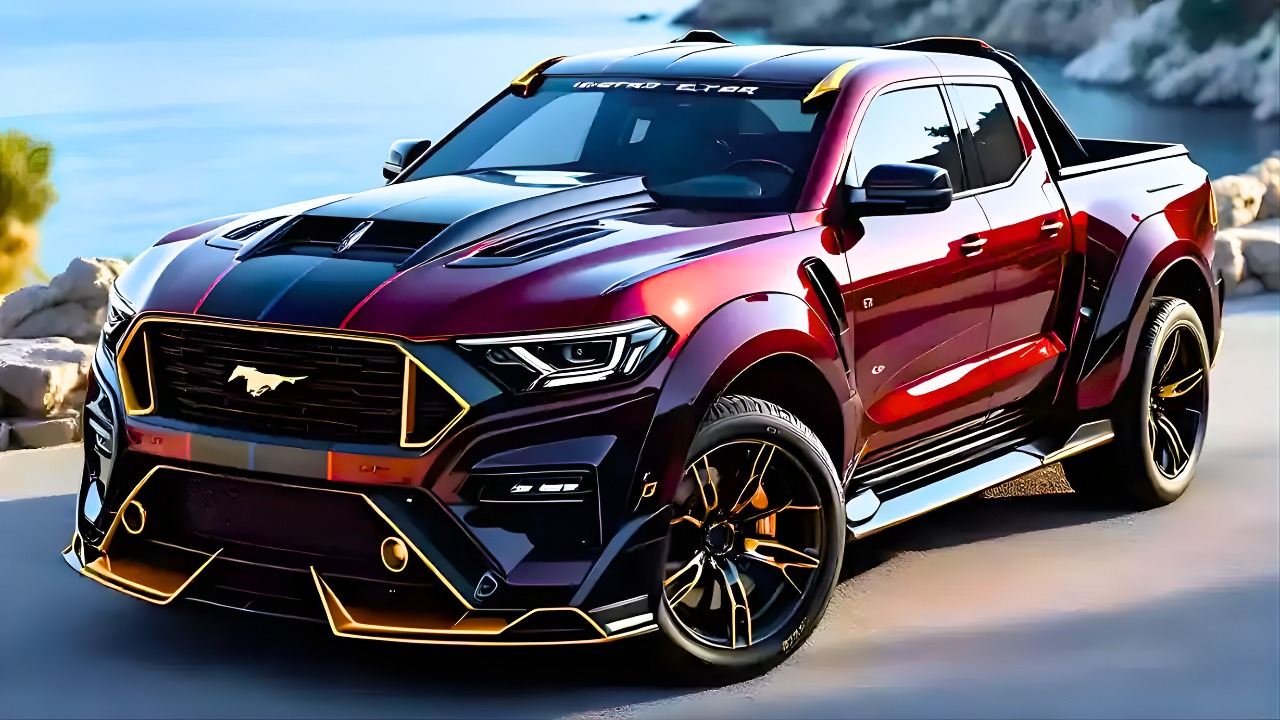
2026 Ford Mustang Pickup Truck: The 2026 Ford Mustang Pickup Truck is not just another badge-engineered muscle-truck mashup. It’s a bold gamble, and I’m here to argue that most buyers should think twice before signing on the dotted line.
American Truck Culture Meets Mustang Ego
Ford’s vision is clear: slap Mustang performance DNA onto a pickup and call it a revolution. Under the hood you get a version of that familiar 5.0 L V8 (likely north of 450 hp), rear-bias dynamics, and performance-tuned suspension. On paper, that sounds like a hoot. On real roads with real traffic? That’s where the sheen wears off.
First reality check: this is still a truck. So even though it launches harder than most half-tons, it drinks fuel accordingly. Expect mid to low teens MPG in everyday use and if you live where traffic grinds at 30 mph all day, you’re looking at pump bills that make thirsty SUVs seem efficient by comparison.

Ownership Reality: Traffic, Fuel & Service
Let’s talk about living with this thing.
- Urban traffic? The Mustang Pickup’s performance instincts don’t translate well to stop-and-crawl. Its torque curve, shift logic, and throttle response feel out of sync with rush-hour life. It’s like driving a sprinter with heavy boots fun only in bursts.
- Fuel costs: V8 performance is intoxicating, but seriously punishing on your wallet. If you’re commuting daily or towing often, you’ll resent every fill-up.
- Service network: Ford’s dealership network is broad, but specialized performance parts (think unique brakes, suspension bits, or driveline components) will cost more and take longer to source. Near you in Haryana or anywhere outside major metros? Expect wait times.
Workability vs. Toy
A pickup’s raison d’être is utility hauling and towing. Here’s where this Mustang-branded truck starts to lose its footing:
- Bed practicality: The bed is usable, but Ford clearly sacrificed some real-world utility for style. You won’t be carrying heavy loads every day without noticing suspension squat and degraded ride comfort.
- Towing: Rated numbers might impress Instagram, but on long hill grades or in hot conditions, the combo of heavy payloads plus a performance-tuned engine runs hotter and wears faster. That’s a long-term cost most reviewers gloss over.
Resale Reality
Sure, cars with “Mustang” in their name usually have enthusiast appeal but this isn’t a coupe. It’s a niche product in a fragmented market. Enthusiasts who love the concept might admire it… but the average used-truck buyer? They want reliability, low running costs, and practicality. That’s not this truck’s strength. When it comes time to sell, expect a steeper depreciation curve than mainstream half-tons.
One Huge Downside Most Buyers Discover Too Late
The biggest elephant in the garage is this: the Mustang Pickup is a performance vehicle masquerading as a pickup. That means:

- Stiff ride in daily use. You give up the compliant, comfortable ride of a traditional truck for sport-scar suspension tuning. On long drives, potholes, and rough rural roads you’ll feel every imperfection and quickly regret it.
- Tire and brake wear are real costs. High-performance rubber and oversized brakes don’t come cheap to replace, and they wear quicker under normal truck tasks (like grocery runs or school drop-offs).
So Who Should Buy It?
Buy it only if:
- You absolutely prioritize performance over practicality.
- You live somewhere with good service support and don’t mind premium maintenance.
- You don’t need a workhorse you want a toy with a tailgate.
Skip it if:

- You need a daily driver with sensible running costs.
- You care about resale value and broad usability.
- Your real life includes towing trailers or hauling materials.
Bottom line
The 2026 Ford Mustang Pickup Truck is exciting on paper and downright fun in short bursts but as a daily ownership proposition, it’s a niche indulgence, not a pragmatic choice for most truck buyers. If you want capability without compromise, there are more grounded options begging for your money.